
The Power of Saying No: Empowering Children to Set Boundaries
In a world that often encourages compliance and conformity, teaching children the importance of saying “no” is a vital life skill that can empower them to navigate their relationships and experiences with confidence. At its core, the ability to say no is about establishing personal boundaries, fostering self-respect, and promoting emotional well-being. In this blog, we will explore the significance of teaching children to say no, the benefits it brings, and practical strategies for parents and educators to instil this crucial skill.

Understanding the Importance of Saying No
Saying no is more than a refusal; it is an assertion of one’s rights, feelings, and values. For children, learning to say no is essential for several reasons:
- Building Self-Confidence
When children learn to say no, they develop a sense of self-confidence and autonomy. They begin to understand that their opinions and feelings matter, which empowers them to express themselves authentically. This confidence is crucial as they grow and encounter various social situations, allowing them to stand firm in their beliefs and choices. - Establishing Personal Boundaries
Saying no is a fundamental aspect of setting personal boundaries. Children need to learn that it is okay to protect their space, feelings, and comfort levels. By asserting their boundaries, they communicate their needs to others, fostering healthier relationships built on mutual respect. - Promoting Emotional Intelligence
Teaching children to say no helps them develop emotional intelligence. They learn to recognize their feelings and understand when something doesn’t sit right with them. This awareness allows them to navigate social interactions more effectively and make decisions that align with their values and comfort levels. - Preventing Peer Pressure
As children grow older, they may face peer pressure to engage in activities that make them uncomfortable or go against their values. By empowering them to say no, we equip them with the tools to resist negative influences and make choices that are right for them. This skill is particularly crucial during adolescence when peer dynamics can become more intense. - Encouraging Critical Thinking
Saying no encourages children to think critically about their choices. It prompts them to evaluate situations, consider the consequences, and make informed decisions. This critical thinking skill is invaluable as they navigate complex social landscapes throughout their lives.
Practical Strategies for Teaching Children to Say No
While the importance of saying no is clear, teaching children how to do so effectively requires intentional practice. Here are some practical strategies for parents and educators to help children develop this essential skill:
- Model Assertiveness
Children learn by observing the adults in their lives. By modelling assertive behaviour and demonstrating how to say no respectfully, parents and educators can provide a powerful example. Use everyday situations to illustrate how to decline invitations or requests confidently and politely. - Create a Safe Space for Expression
Encourage open communication by creating a safe space where children feel comfortable expressing their thoughts and feelings. Let them know that it’s okay to say no and that their feelings are valid. This supportive environment fosters trust and encourages children to speak up when something doesn’t feel right. - Role-Playing Scenarios
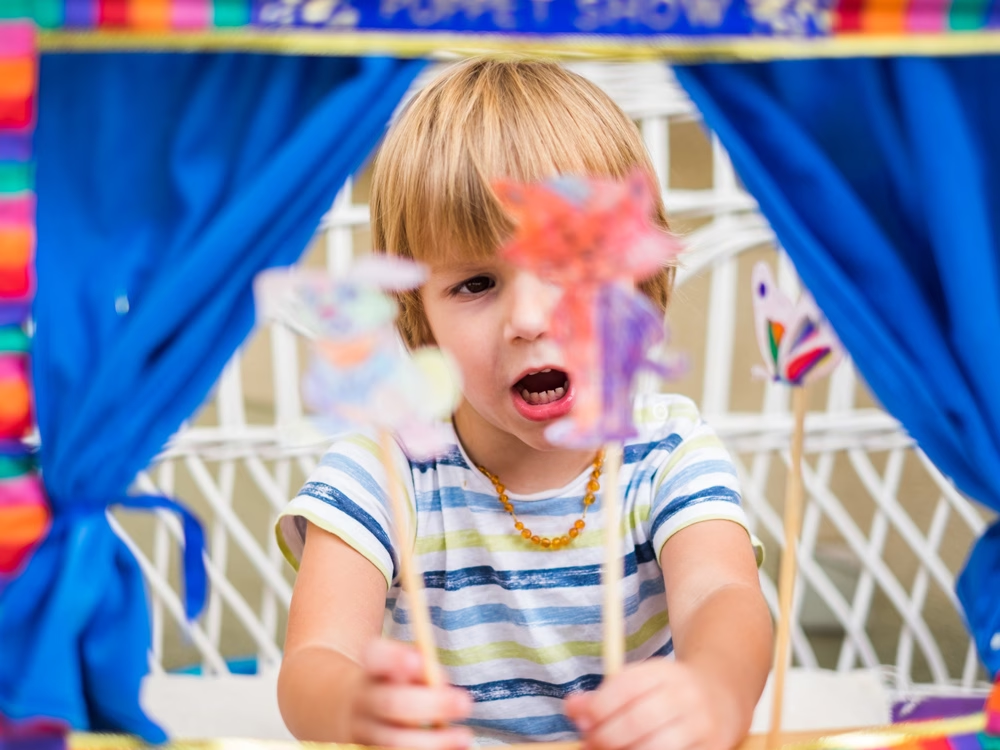
Engage young children in role-playing exercises where they can practice saying no. For example, using finger puppets to simulate scenarios involving peer pressure, unwanted invitations, or uncomfortable situations can help them to practice saying no in different ways. This practice allows them to build confidence and develop effective responses in a safe setting. - Teach Assertive Language
Help children develop assertive language that they can use when saying no. Phrases like, “No thank you”, “I’m not comfortable with that”, “I don’t want to” or “That’s not for me” empower them to express their boundaries clearly. Encourage them to use a firm but respectful tone, reinforcing that saying no can be done without being rude. - Discuss Consequences and Values
Engage children in conversations about the potential consequences of saying yes versus saying no. Discuss their values and what is important to them, helping them understand that saying no can align with their beliefs. This reflection fosters a deeper understanding of their choices. - Encourage Self-Reflection
After situations where children have to say no, encourage them to reflect on their feelings and experiences. Ask questions like, “How did it feel to say no?”, “What did you learn from that situation?” or “Would you do anything different next time?” This self-reflection reinforces the importance of their choices and helps them process their emotions. - Celebrate Their Choices
When children successfully assert themselves and say no, celebrate their choices! Positive reinforcement boosts their confidence and encourages them to continue practicing this skill. Acknowledging their efforts reinforces the idea that saying no is a valuable and courageous action.
Conclusion
Teaching children to say no is a fundamental aspect of their emotional and social development. It empowers them to establish boundaries, build self-confidence, and navigate relationships with integrity. By fostering an environment that encourages open communication and assertiveness, parents and educators can equip children with the tools they need to make choices that align with their values and comfort levels.
As we nurture the next generation, let’s turn the “Terrible Two’s, when toddlers are first saying ‘no’, into the “Terrific Two’s” and celebrate their achievements. The ability to say no will stand them in good stead for what is to come, so let us remember the power of saying no. By instilling this essential skill, we empower children to embrace their individuality, stand firm in their beliefs, and navigate the complexities of life with confidence. Together, we can create a world where children feel empowered to express themselves authentically and make choices that reflect their true selves.
Christine’s Magical Garden Superheroes